Product pages are what determine whether visitors make a purchase or leave the site. Clear information, well-organised layouts, and expected interaction minimise indecisiveness in the course of purchasing choices. A well-designed product page is geared towards usability, precision, consistency and not ornamentation. In Singapore web design, product pages should be fast-loading and not create misleading value by being confusing. Users want the pricing to be clear, the product information be clear, and the steps to be clear. Sluggishly optimised pages disrupt the decision process and cause a lack of trust. This resource describes our product page design and optimisation process based on established e-commerce ux guidelines.
Hierarchy in Product Page Structure and Content
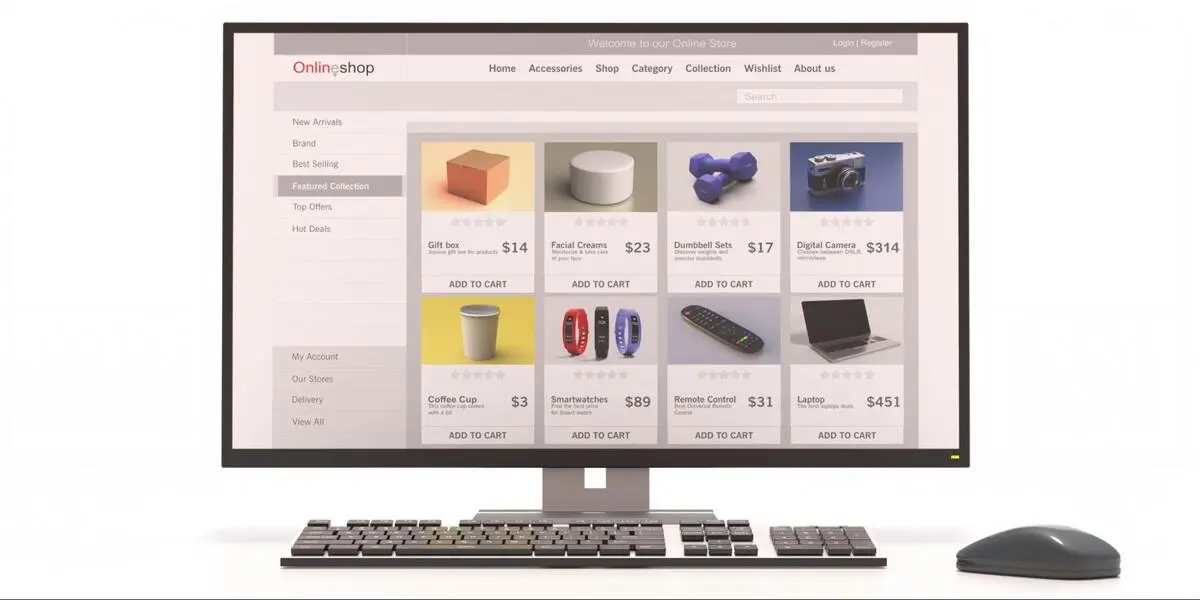
It has a good product page that starts with a clear, easy-to-understand structure. The main aspects of the product, pictures, title, price, and the major action are expected to be positioned where they are supposed to be. Section grouping and logical spacing facilitate easy scanning of information by the users. Critical information should not be hidden in unwarranted scrolls. Extensive texts must be divided into readable parts. Hierarchy also enhances ease of access and understanding. This systematic methodology assists in a good product page design across devices.
Graphical Design to Support Purchase Decision
Visual design is meant to support the interpretation and not to be a distraction. The images of the products should be precise, stable, and of adequate resolution. Several angles enable customers to compare merchandise without any doubt. Price and action buttons are the key elements that require visual emphasis. Colours need to be in accordance with the brand identity and be readable. The use of too many visual effects must be avoided so as not to be distracting. Website design in Singapore is one of the elements of e-commerce, which involves balanced visuals.
Composing Good and Effective Product Descriptions
The description of the product should tell what the product does, how it works, and who it is targeted at. The language used should be factual, simple and consistent throughout the catalogue. It also provides clear descriptions to enable users to make good choices, which reduces problems occurring after purchasing. Bullet points may be used to provide feature highlights so that they can be scanned. Do not use exaggerations or overkill on technical jargon. The use of consistency creates credibility. Superior writing is the focus of e-commerce ux best practices.
Pricing, Availability and Transparency

Pricing should be readily available and readable at first sight. Customers will be able to view the entire charge and pay for the delivery or any other fees. Status on availability needs to be precise and updated on a regular basis. Abandoned carts are usually caused by hidden charges. There are clear stock indicators which manage expectations. Formatting of currencies should be local. Open pricing is an aid to product page credibility.
Position of the Call-to-Action and Behaviour
Buttons to the call-to-action can be seen easily and understandably. The positioning must be in accordance with the natural reading of the page. Labelling of buttons must be action-oriented. The presence of buttons on both the desktop and the mobile screens should be maintained. Graphical feedback is used to establish the fact that an action is registered. Uniformity in the styling of the buttons enhances usability. In Singapore, online stores require clear activities in web design.
Mobile Optimisation and Responsive Design
The majority of customers shop and surf on their mobile phones. The product pages should be able to fit on various screen sizes. Elements of touch must be touchable to tap without difficulty. Materials should be arranged in a logical order without concealing the important details. Photos must be scaled without being blurred. The conversion rates are directly related to mobile performance. Modern product page design is a normative aspect of responsive behaviour.
Speed, Technical Stability and Performance
Delays in products decrease activity and revenue. Optimisation of images and good code enhances the loading times. The scripts are to be restricted to the needed functionality. The constant performance enables continuous browsing. Trust and usability are enhanced with the help of technical consistency. Search visibility is also influenced by the speed of its pages. Such technical requirements are in line with e-commerce ux best practices.
User Confidence and Trust Signals

Indicators of trust give a positive message to the users in the process of purchasing. Social validation is through reviews and ratings. An unambiguous policy of returns minimises risk perception. Confidence is created by the ease of access to the support information. Security indicators must exist, though not in the way. Credit is increased by consistency within product pages. Confidence has a quantifiable contribution to the effectiveness of product page design.
Typical Product Page Design Aspects
- Good title and prices of products.
- High-quality product images
- Organised product description.
- Conspicuous call-to-action button.
- Open availability status.
- References to trust and support.
The Overview of Product Page Optimisation
| Element | Function | User Benefit |
|---|---|---|
| Product pictures | Graphical depiction of the product/item | Assists the consumer in considering the look and specifications. |
| Product description | Elaboration of functions and use | Reduces misconceptions and misunderstandings. |
| Pricing presentation | Displays cost and charges in an open way | Transparency and trust are built. |
| Action to be taken | Starts a purchase process | Leads to checkout. |
| Mobile responsiveness | Changes layout to suit devices | Enhances cross-screen usability. |
Conclusion
Optimised product pages are superior in the sense that they are clear, user-friendly, and performance-based rather than visually superfluous. Decisions are made with the help of structured layouts and clear writing. Friction during the buying process is minimised by the application of e-commerce ux best practices. The design of the product pages should be the same, clear, and available. Website design in Singapore is also concerned with the details which directly influence the results of conversion. A disciplined approach will guarantee that the product pages fulfil the expectations of the users and the business goals.