Launching a new website without proper checks can result in many broken pages, negative user experiences and lost business. Our best advice is to use a pre-launch website checklist at Singapore Web Designer. Whether you are purchasing a web design in Singapore project for the first time, or you are re-designing an existing website, our quality assurance process will ensure bugs are ironed out before your visitors find them.
Step 1: Test Every Form on Your Website

All contact, enquiry, newsletter sign-up and booking forms should be checked prior to the website going live. Send each message several times to verify the message is sent, a confirmation email is received, and the information filed in the reply email is received in the right email box. Visiting the website your customers can use to contact you should run smoothly.
A thorough pre-launch qa process should also cover required fields, validation messages and error handling. Make sure forms work the same in all browsers and devices so every reader has a positive experience.
Step 2: Check Every Link and Navigation Element
Broken links can damage user confidence and impact SEO. Validate that every menu, button, image link and page is functional so the customer can find the information they need. We would always advise user-testing the navigation on desktop and mobile devices prior to a web design in Singapore project.
Don’t forget to include external links, downloadable files and redirects on your website launch checklist. Make sure all pages are loading, and no links are pointing to stale or no longer existing material.
There are some key areas you should always test before publishing your website.
| Area to Check | What to Verify | Why It Matters |
|---|---|---|
| Forms | Submissions and email notifications | Makes sure customer enquiries are received |
| Navigation | Menus, buttons and links | Easy to navigate and retrieve information, good UI. |
| Mobile display | Responsive layouts | Better usability on all devices |
| Analytics | Tracking codes and events | Enables you to measure how your site is performing. |
| Page speed | Loading times | Improves user experience and SEO |
Step 3: Review Mobile Responsiveness and Page Performance
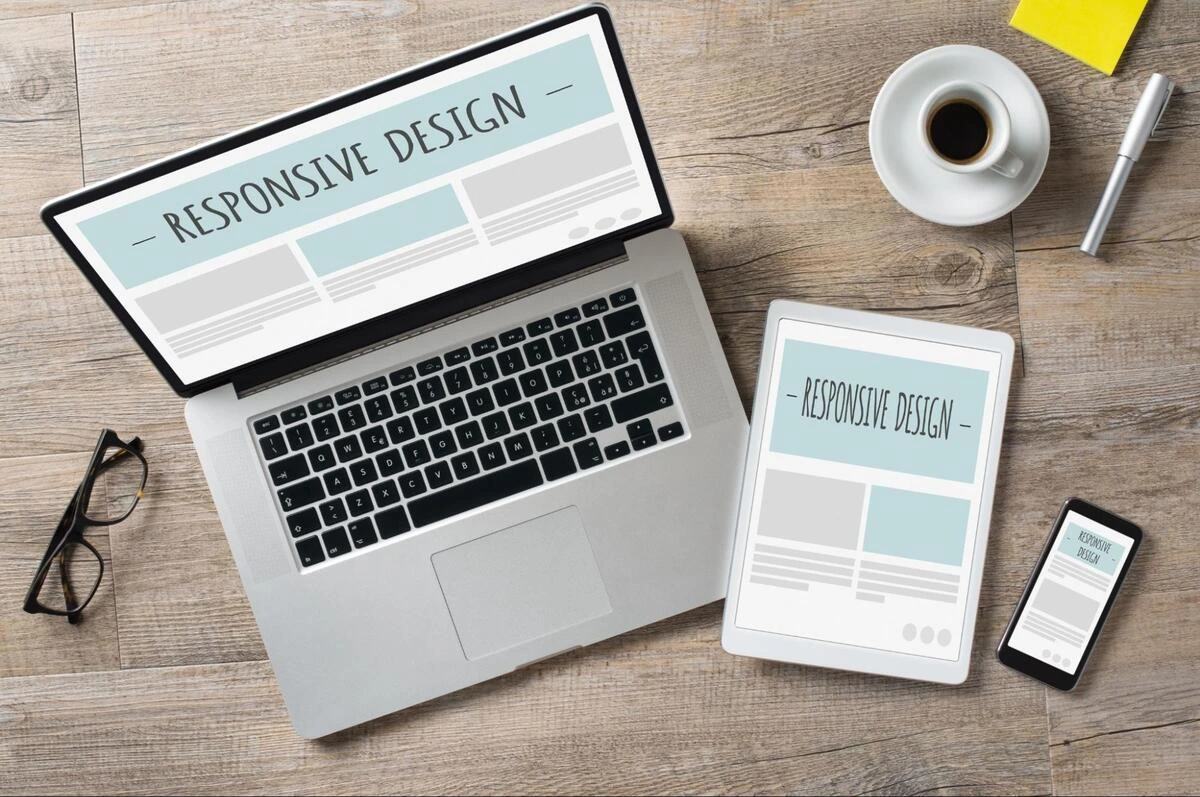
Designed to be responsive, most web visitors access websites via mobile devices. While testing the website, check all pages on wide and narrow screens to ensure everything appears properly. The navigation remains functional and text or images don’t overlap, making pages difficult to read.
A robust pre-launch qa review will also cover loading behaviour. Well-optimised images, compressed files and lean code result in fast-loading pages and lead to a lower bounce rate and a more pleasant user experience.
Step 4: Verify Tracking Codes and Analytics
You can’t go live without tracking properly in place. Measuring where your visitors are coming from, how they’re interacting and whether your marketing is working can happen in just a few hours. Every web design in Singapore should include checking that all the major pages are firing correctly.
Your website launch checklist should also include verifying the following:
- You will see analytics is tracking the page.
- The Tag Manager is working the way it is supposed to.
- Apparently it is working. Conversion events are firing.
- Contact form tracking.
- Search Console has been set up.
- The cookie consent banners work.

Above photo shows Mr Terence Sim (Founder of iClick Media), seated next to Mr Ruggero Huesler from Switzerland’s ICMCI. Also in the photo are, from left, Ms Sharon (Secretariat IMCS), Mr Philip Kee (President IMCS), Ms Geraldine (Senior Manager IMCS), Ms Lydia (Past President IMCS).
Step 5: Perform a Final Visual and Functional Review
After all technical checks are done, visit your website as a new visitor to see how it looks and functions. Keep going with website testing by proofreading, examining images, checking spacing, colours and branding. All pages must look professional and brand-representing.
As part of a good pre-launch qa, we should have a review of all calls to action, prices, contact information and business hours. Even small errors can impact customer trust once your website is live.
Step 6: Complete Your Final Sign-Off Before Launch
The final step is to confirm all tasks have been finished and then publish the website. We, as the web design team in Singapore, will suggest doing one more final check on the checklist with everyone involved to double-check nothing is missed.
Completing your website launch checklist, completing all your website testing tasks and performing a thorough pre-launch qa review all translate into increased confidence when you launch your new website. At Singapore Web Designer, we take the time to collaborate with each client to create fully tested, professional-looking websites which will offer your visitors the best online experience possible.
Collaborate with a Reputable Website Design Company
Success in a website launch is about not only getting everything right, but about doing everything right. We help our clients streamline the process of website launch and work with them from web development, quality assurance, to web deployment. We take a step-by-step, comprehensive approach to business setup so your new website can put forth a fully functioning, professional image from day one.